Tuesday, February 24, 2009

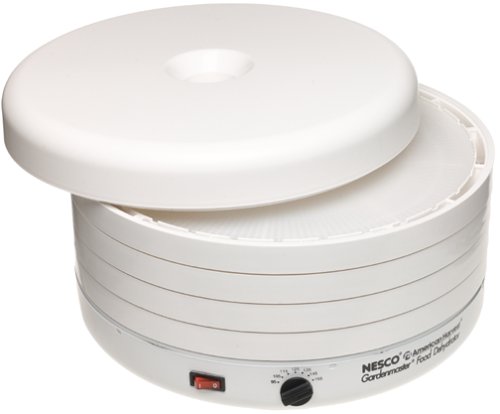
Nesco American Harvest FD-1010 Gardenmaster Food Dehydrator

Drying apple slices in just three hours and beef jerky in four, this 1000-watt dehydrator is exceptionally fast, using a big, 4-1/2-inch fan to force air up through the drying trays' outer rings and across each tray. A thermostat adjusts from 95 degrees to 155 degrees for drying different items. Each of the four plastic trays is 13-3/4 inches in diameter and 1/4 inch deepthat's four square feet for drying fruits, vegetables, herbs, or flowers at one time. Additional trays can be ordered separately, and up to 30 trays can be stacked on this unit's metal base at once. A fruit-roll sheet inserts into a tray so that applesauce or other fruit sauces can be dried into healthful snacks, and soups and sauces can be dehydrated for camping trips. Beef-jerky spices and a detailed 64-page recipe and instruction booklet are included. The dehydrator measures 15-1/2 inches in diameter and 10 inches high, cleans easily, and carries a one-year warranty against defects. --Fred Brack


When Thanksgiving is over and all your company has gone home what do you do with all those turkey leftovers? Why not try freezing them. By freezing your turkey leftovers you will be able to enjoy fresh roasted turkey months from now when Thanksgiving and turkey leftovers are a thing of the past.

Freezing turkey leftovers is an easy and inexpensive way you can extend the life of your turkey leftovers by a few months. Turkey leftovers can be frozen up to three months with great results. Here are a few quick tips to make your freezing a success.

Freeze turkey in portions your family will use.

Slice, cube and chop the turkey meat for easy packaging.

Use zipper freezer bags for ease of storage.

Freeze turkey with stock and vegetables for making quick stew.

Stir fry turkey with vegetables and freeze then when ready to use thaw and serve over cooked rice.

Freeze pre-made turkey sandwiches, turkey quiche and turkey casseroles.

Frozen turkey sandwiches can be sent in lunches for work or school.

If you only have a small amount of turkey leftover, freeze in bite size pieces. Then the next time you have leftovers you can pull out the frozen turkey leftovers and add it to casseroles or pot pie.

Shauna Hanus is a gourmet cook who specializes in creating gourmet recipes. She has extensive experience cooking with easy to find grocery items to create delightful gourmet meals. She has put together a special Thanksgiving report that gives you 73 recipes to use with your leftover turkey as well as a special holiday ice cream cookbook that includes favorites like pumpkin pie ice cream and pecan pie ice cream. She has also put together a holiday planning guide to help you have the most enjoyable Thanksgiving ever. You can find all of these at http://www.turkey-leftovers.com

dehydrator

Monday, February 16, 2009

Nesco All-in-One Food Dehydrator Kit, Model# FD50-WHC

Everything needed to dry fruit, vegetables, jerky and more. 500 Watts power plus patented coverage flow for even drying. No more rotating trays. U.S.A.


When Thanksgiving is over and all your company has gone home what do you do with all those turkey leftovers? Why not try freezing them. By freezing your turkey leftovers you will be able to enjoy fresh roasted turkey months from now when Thanksgiving and turkey leftovers are a thing of the past.

Freezing turkey leftovers is an easy and inexpensive way you can extend the life of your turkey leftovers by a few months. Turkey leftovers can be frozen up to three months with great results. Here are a few quick tips to make your freezing a success.

Freeze turkey in portions your family will use.

Slice, cube and chop the turkey meat for easy packaging.

Use zipper freezer bags for ease of storage.

Freeze turkey with stock and vegetables for making quick stew.

Stir fry turkey with vegetables and freeze then when ready to use thaw and serve over cooked rice.

Freeze pre-made turkey sandwiches, turkey quiche and turkey casseroles.

Frozen turkey sandwiches can be sent in lunches for work or school.

If you only have a small amount of turkey leftover, freeze in bite size pieces. Then the next time you have leftovers you can pull out the frozen turkey leftovers and add it to casseroles or pot pie.

Shauna Hanus is a gourmet cook who specializes in creating gourmet recipes. She has extensive experience cooking with easy to find grocery items to create delightful gourmet meals. She has put together a special Thanksgiving report that gives you 73 recipes to use with your leftover turkey as well as a special holiday ice cream cookbook that includes favorites like pumpkin pie ice cream and pecan pie ice cream. She has also put together a holiday planning guide to help you have the most enjoyable Thanksgiving ever. You can find all of these at http://www.turkey-leftovers.com

dehydrator
Wednesday, February 4, 2009

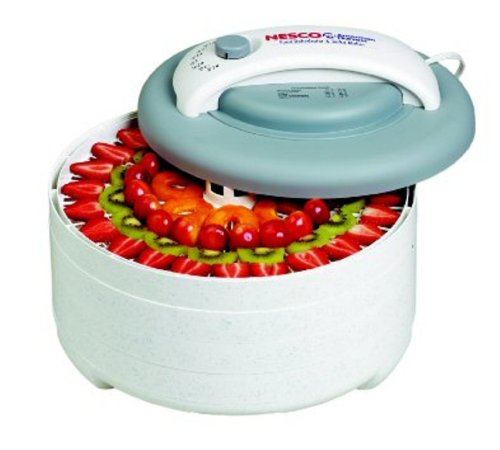
Nesco American Harvest FD-61 Snackmaster Encore Dehydrator and Jerky Maker

This convenient dehydrator makes great tasting, healthy snacks & jerky! Introducing the Snackmaster?? Encore???. It's Grey top and marbled design features 500 watts of drying power, and generates maximum speed and quality for dehydrating fruits, vegetables, beef jerky, and venison jerky. Helps dry food in hours, not days like ordinary food dehydrators. The top mounted fan eliminates the worry of liquids dripping into the the heating chamber!You can make delicious beef jerky, turkey jerky, fish jerky, trail mix, homemade yogurt, apple snacks, banana chips, dried soup mixes, dried tomatoes, watermelon, cantaloupe, honeydew, mangoes, papaya and other dried fruits at a fraction of the cost. Make dried herbs and spices; also make potpourri and dried flowers for any occasion.


One of the joys of gardening is always having a surplus at the end of the growing season to give away to friends and relatives. How would you like to learn how to dehydrate your own food so you can enjoy the fresh taste of your garden in the cold of winter? Almost any vegetable that can be blanched and frozen, along with most fruits and herbs, can be dried and put away for 6 months or longer and still retain their delicious flavor.

The simplest method of drying food is:

1. Cut the food into small, equal size pieces.
2. Either dip the pieces into an acidic solution (citrus juice, etc) or blanch them which improves the quality.
3. Put the food in your dryer in single layers and turn as needed until they are done.

How done is done? Fruits are considered done when they are soft and leathery while herbs and vegetables are considered done when they become crisp. But there are no hard and fast rules when it comes to drying foods. You can experiment by putting spices on vegetables and sweeteners on fruits to enhance the flavor. Your tastebuds are the limit!

You have several options for a dryer. You can buy an electric food dehydrator or make your own using the power of the sun. The benefit of an electric dehydrator is that you can use it anytime, anywhere as long as you have access to electricity. Some models are also much faster than solar units, but the costs can be prohibitive (up to $200 or more).

Inexpensive alternatives can be as simple as hanging fresh herbs in your window on a sunny day, or sun drying items on an aluminum cookie sheet, to building a solar food dryer with items you can usually find in your home. It can be as simple as crafting a bin with an old window as the top. There are many ways to build a solar unit to dry your food, you just have to figure out which is best for you and your budget. I once knew a woman who used stackable baking racks to dry her garden surplus on her back deck.

The benefits of drying foods are aplenty. Drying foods retains their nutrition value better than canning. Freezing your food is just about as equal to drying when it comes to nutritional content, with the exception of fruit. Dried fruit "concentrates" the sugar content, so when eating dried fruit in the place of fresh, you should cut the portion in half. Dried vegetables such as peas, potatoes, corn, and green beans make a great base for stews/soups/chowders in the wintertime.

To learn more about the many uses of solar energy around the house go to http://greentipsforyou.com/.

Joshua Vadney has always been interested in "being green" and has started his own web page with tips for saving money while having a lower impact on the environment. Visit http://greentipsforyou.com/ to learn about useful ways you can be green.

dehydrator

A Brief Tortilla History - What Are Tortillas Anyway?

Tortillas got its name from the Spaniards. The word "tortillas" comes from the Spanish word "torta" with the meaning being round cake. Tortillas are eaten everyday not just in Mexico but also in America. Americans put just about anything they can in the tortilla from meat and beans to apples and brown sugar. Ever try peanut butter and jelly in a tortilla? Many eat it that way; also, the tortillas are used with hot dogs, casseroles, and sandwiches.

Tortillas have been enjoyed for many centuries, but not with all the fillings that are used these days.

Aztecs made tortillas more than 10,000 years before Christ. Aztecs ate a lot of corn, some right from the cob, and others they would save and use later. They would ground it into corn meal and later make into masa, which is corn dough. The masa is added with water. If the water is not the right temperature, the consistency will not be enough to make the tortilla. Once the masa is ready, it is placed in a ball size in the maker's hands. It takes awhile to go through the process of making the masa flat. It is patted into what looks like a think pancake. Once it is the right size, it is placed on a hot griddle. It does not take long to cook.

Today the tortilla is still made with the same ingredients. Majority of them are made in factories with machines because they are in high demand. They come in many flavors. Anyone can still make them from scratch if they prefer. You can find tortillas in a variety of Mexican foods. Tacos use them as the shell. Enchiladas consist of the tortilla being filled and then rolled, afterwards being cooked. Quesadillas use tortillas as turnovers, which are filled and then fried.

If you think that tortillas are just for eating, think again. There is a type of art that is called "tortilla art." It is a fine art that uses tortillas as the canvas. First, the tortillas are baked and then covered with acrylic. After that, they are painted. Tortilla art is made to represent the culture of Latino artists.

Tortillas are also, what are used to make the tortilla chips. The tortilla is cut into wedges and fried. Corn tortillas are made from corn, vegetable oil, salt, and water. The chips first became popular in the 1940s in Los Angeles, California where the chips were mass-produced, but it is still considered a Mexican food.

Americans use tortillas for a lot of their foods. It is most common found in burritos, which started long ago in northern Mexico. Tortillas are a traditional food of many people from northern states of Mexico and Native tribes that are found in the Southwestern United States. Just about any restaurant will carry tortillas. You can try many different foods that include them. They are easy to find in the grocery store. You can use your taste buds and imagination to make your own foods, which include the tortillas.

There are plenty of tortilla recipes available if you fancy making your own tortillas and creating some wonderful fillings!

South of the border doesn't just mean beans discover Mexican food recipes full of flavor. Authentic Mexican recipes that your family will love to eat all the time.

dehydrator
dehydrator
dehydrator
dehydrator
dehydrator
dehydrator
dehydrator
dehydrator
dehydrator
dehydrator